
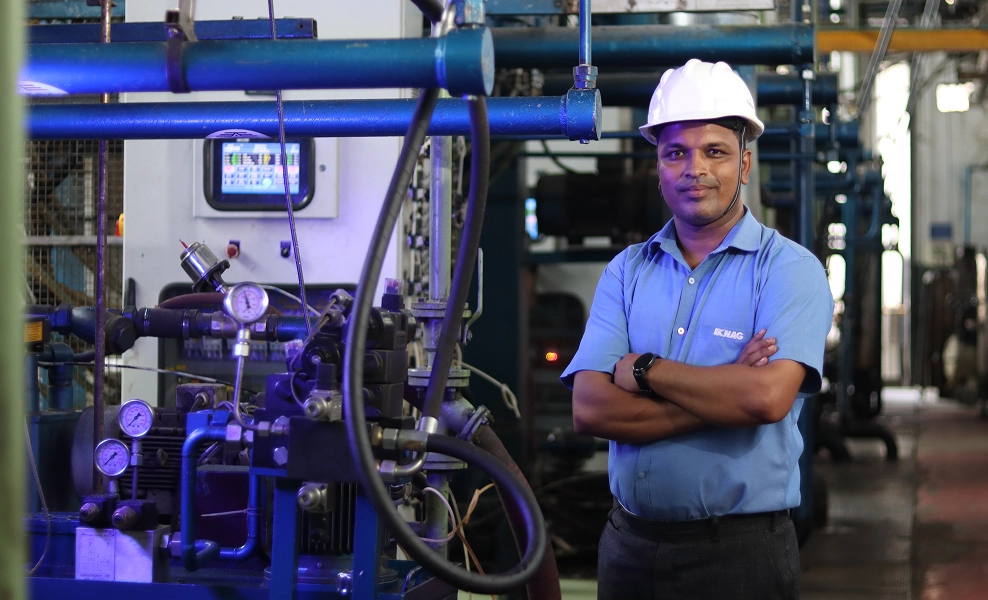
EPP Pioneers since 1990
K. K. Nag introduced EPP moulding technology to the Indian automotive sector in 1990. The first production part followed in 1992 when sun visor cores were supplied for a Spanish programme to a car interior manufacturer and supplier.
What Sets Our Automotive Expertise Apart
-
![check-icon]() Three decades of applied EPP in automotive
Three decades of applied EPP in automotive -
![gear-icon]() In-house tool design and manufacturing for faster developments
In-house tool design and manufacturing for faster developments -
![moulding-machine-icon]() Multi-cavity moulds and stable series production
Multi-cavity moulds and stable series production -
![moulding-machine-icon]() APQP, FMEA, PPAP and end-of-line checks that comply with OEM practices
APQP, FMEA, PPAP and end-of-line checks that comply with OEM practices -
![factory-icon]() K. K. Nag Operational Excellence (KOpEx) or Lean and Green Manufacturing
K. K. Nag Operational Excellence (KOpEx) or Lean and Green Manufacturing
 Three decades of applied EPP in automotive
 In-house tool design and manufacturing for faster developments
  Multi-cavity moulds and stable series production
 APQP, FMEA, PPAP and end-of-line checks that comply with OEM practices
 K. K. Nag Operational Excellence (KOpEx) or Lean and Green Manufacturing

























years of EPP experience

customers across multiple sectors
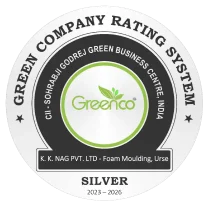
Our Accreditations






What EPP Delivers for Modern Vehicles
01
Lightweight
Reduces mass, which supports fuel economy and EV range targets
02
Shock absorbent
High energy absorption for crash and head-impact protection
03
Thermally and chemically resistant
Stable through service temperatures; resistant to oils and coolants
04
Reusable and recyclable
Supports circular goals for recyclable automotive materials
05
Damp Resistant
Closed-cell structure resists moisture ingress for long service life
Why Customise EPP Solutions with K. K. Nag?
We align part performance with programme targets through controlled density selection, mould design and validation.
Build to Print
Starting from customer drawings, we conduct DFM reviews, tool design, validation and series production.
Material Density
Tuned bead density to achieve target stiffness, impact response and NVH.
Shape and Size
Moulded in varied shapes and sizes — from compact inserts to large modules — with precision and consistent quality.
Prototyping and Testing
Prototype quickly with hand-cut or CNC samples, using soft tooling for field trials and validation.
Performance Specifications
Defined with the customer and validated to relevant standards and test methods at DV, PV and PPAP.
Range of Automotive Applications
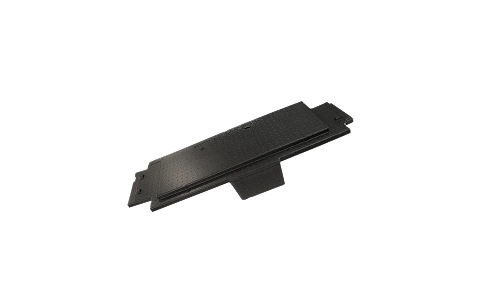
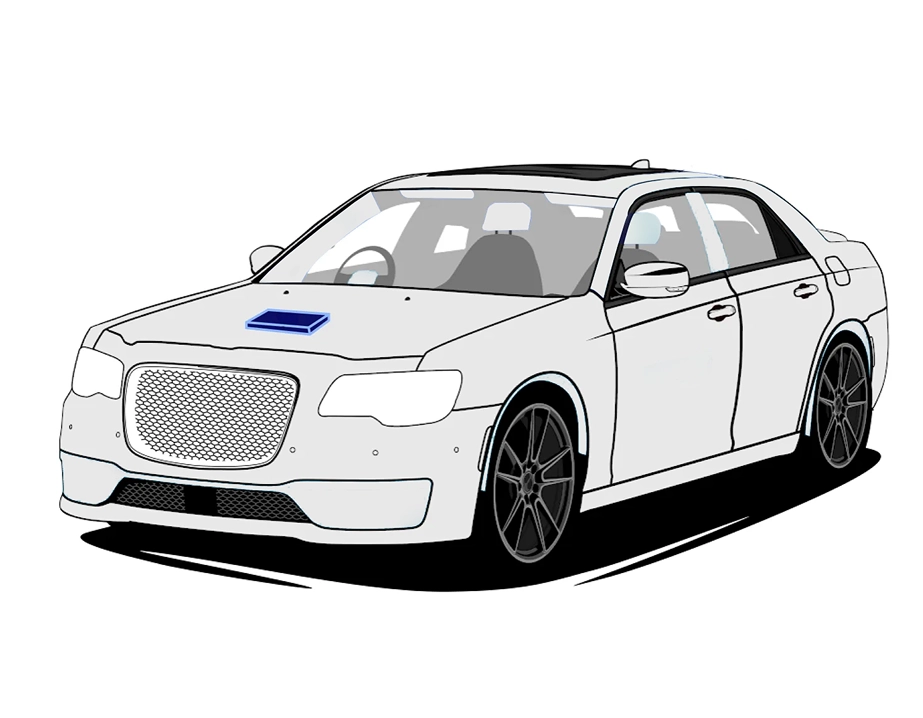
Battery Cover (EV/Hybrid)
Lightweight EPP battery covers that absorb impact, support thermal insulation and protect battery modules with stable, durable performance.
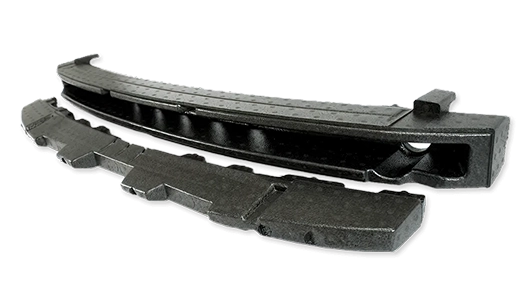
Bumpers and Energy Absorbers
EPP bumper cores and crash zone blocks that offer protection and higher safety ratings for front and rear modules.
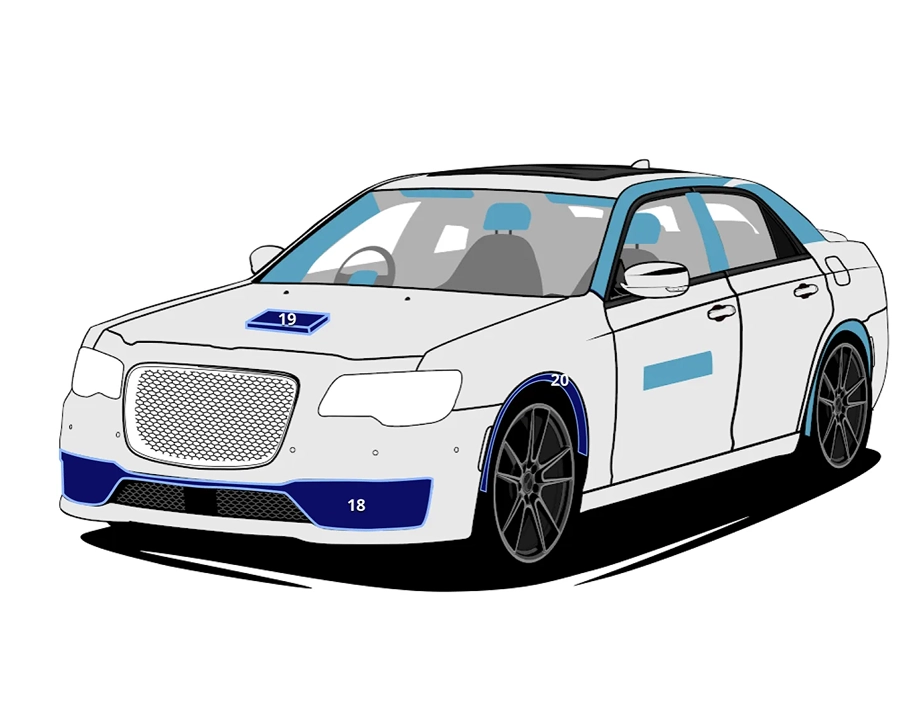
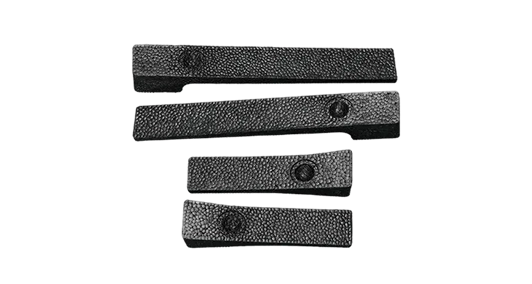
Door Panel Inner Filler
EPP door panel components that provide energy absorption, structural support and accurate integration for interior trims and hardware.
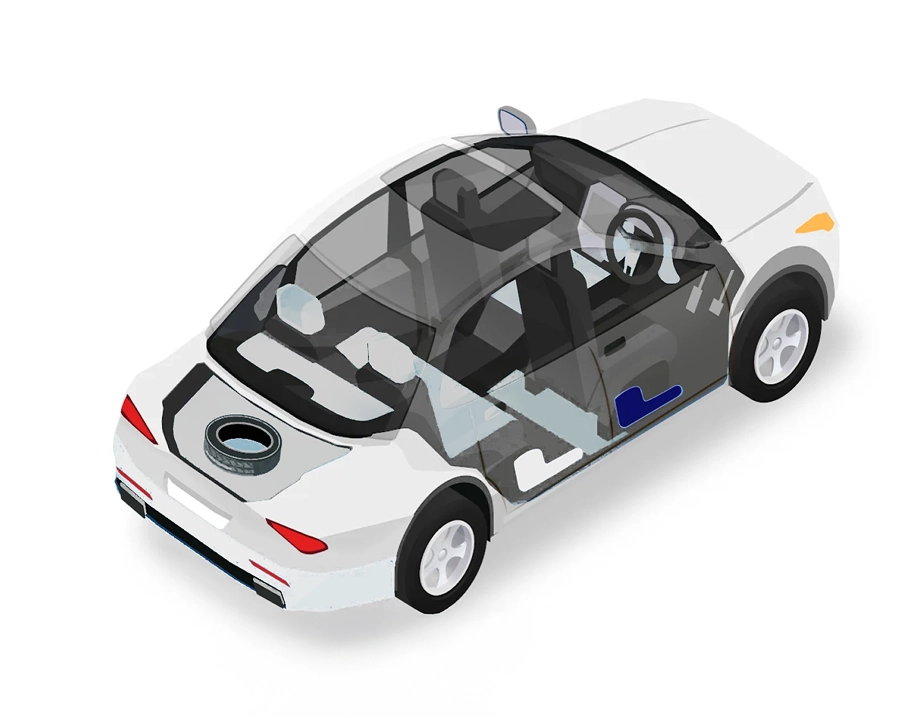
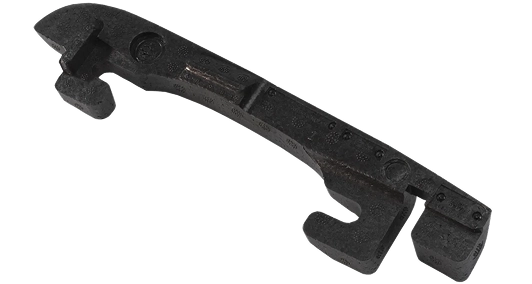
Floor Spacer
Structural EPP spacers that maintain floor height accuracy while contributing to weight reduction and vibration isolation.
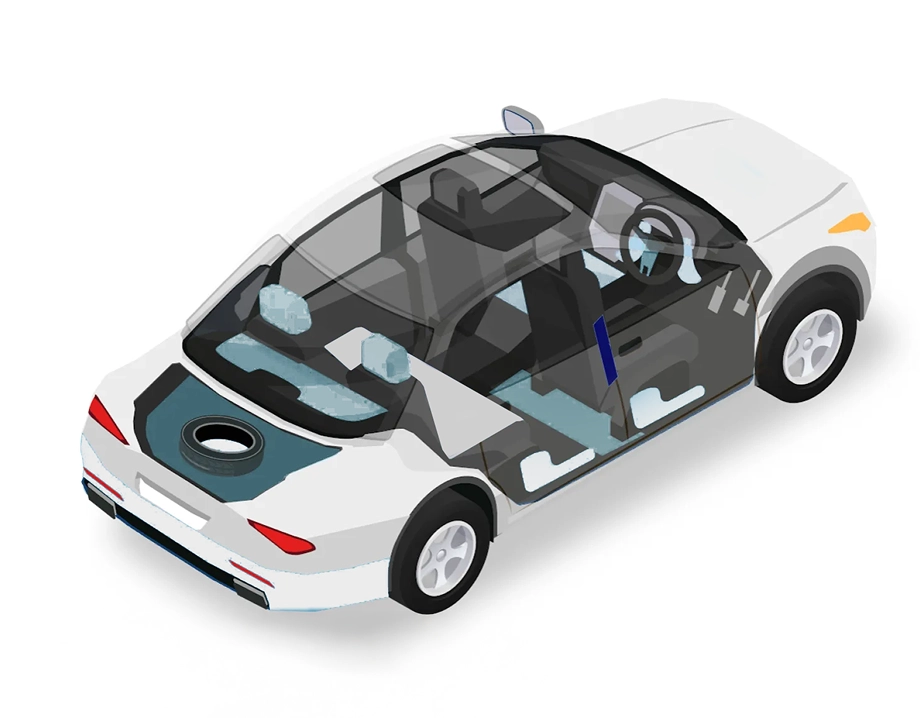
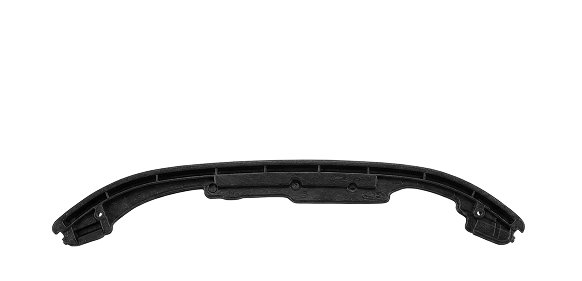
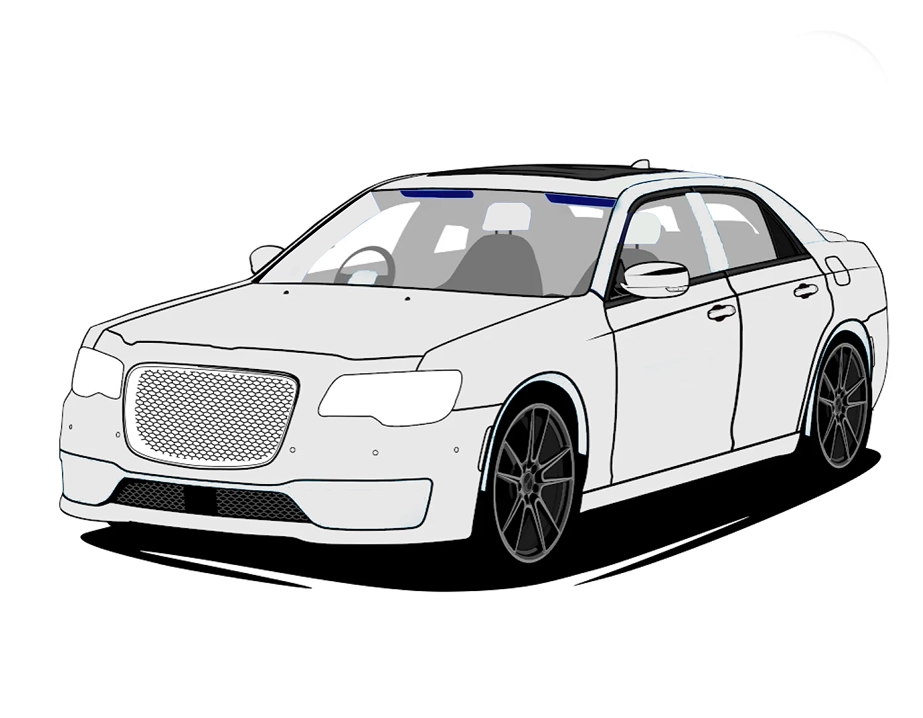
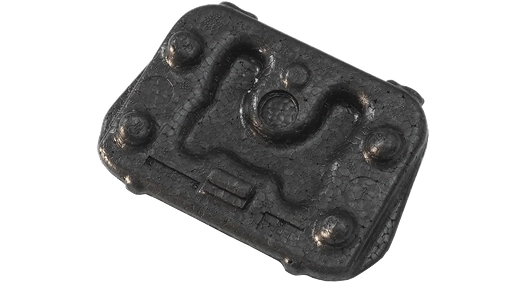
Headliner
EPP headliners support noise and vibration reduction and offer structural reinforcement with minimal weight increase compared to conventional materials.
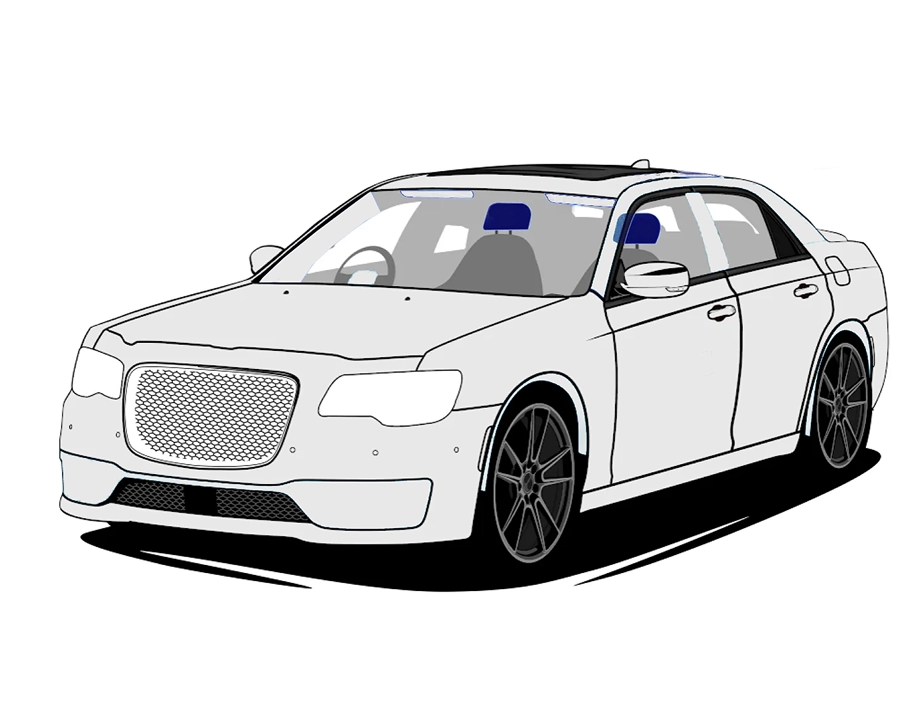
Headrest Core
Precision-moulded EPP headrest cores providing lightweight strength, comfort, support and controlled energy absorption.
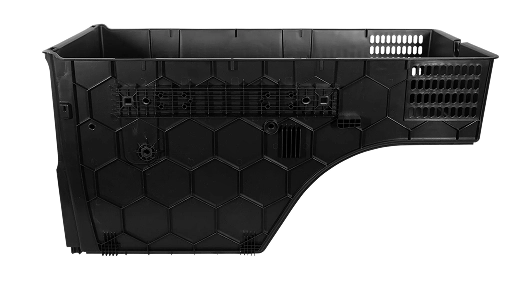
Parcel Shelf Corer
Dimensionally-stable EPP parcel shelf covers offering lightweight support, acoustic insulation and consistent cabin fit.
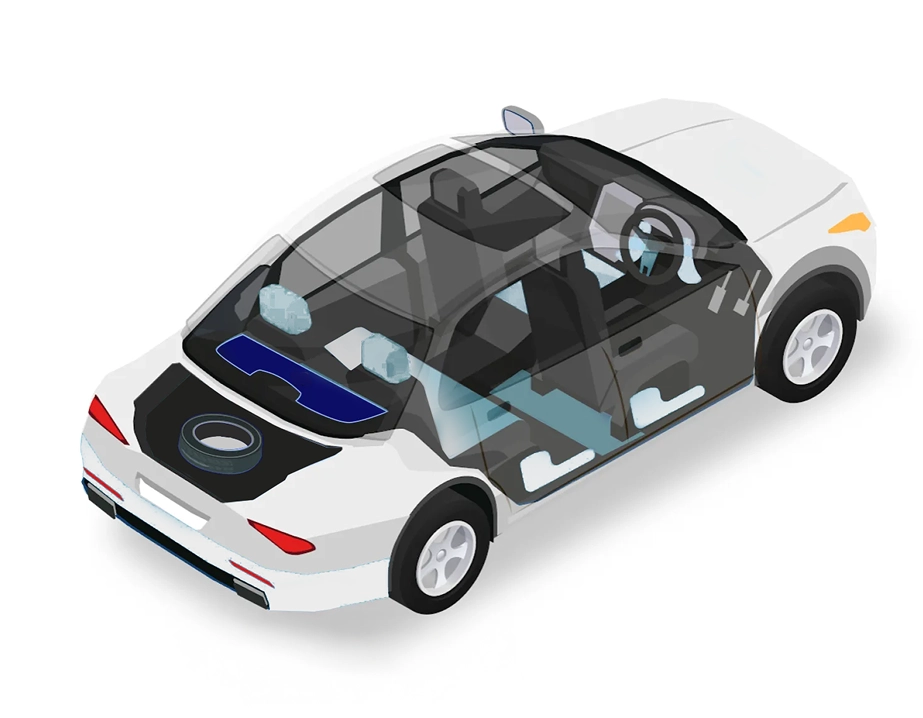
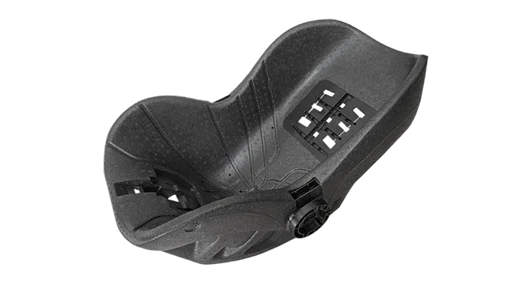
Seat Core
EPP seat cores engineered to deliver lightweight structural support, long-term durability and controlled comfort performance.
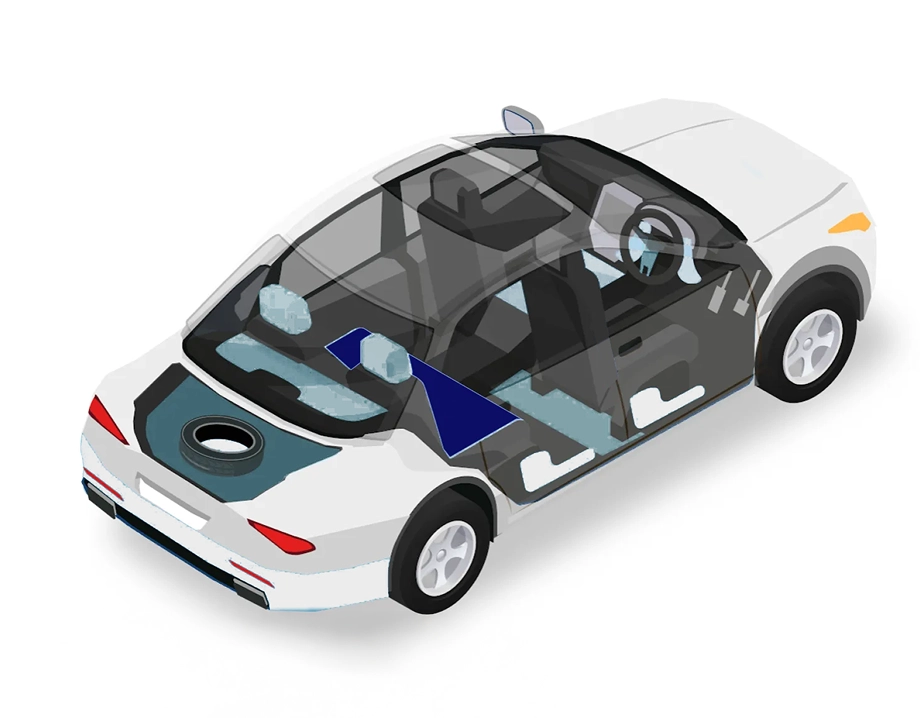
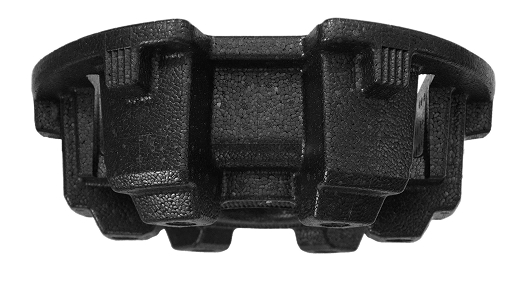
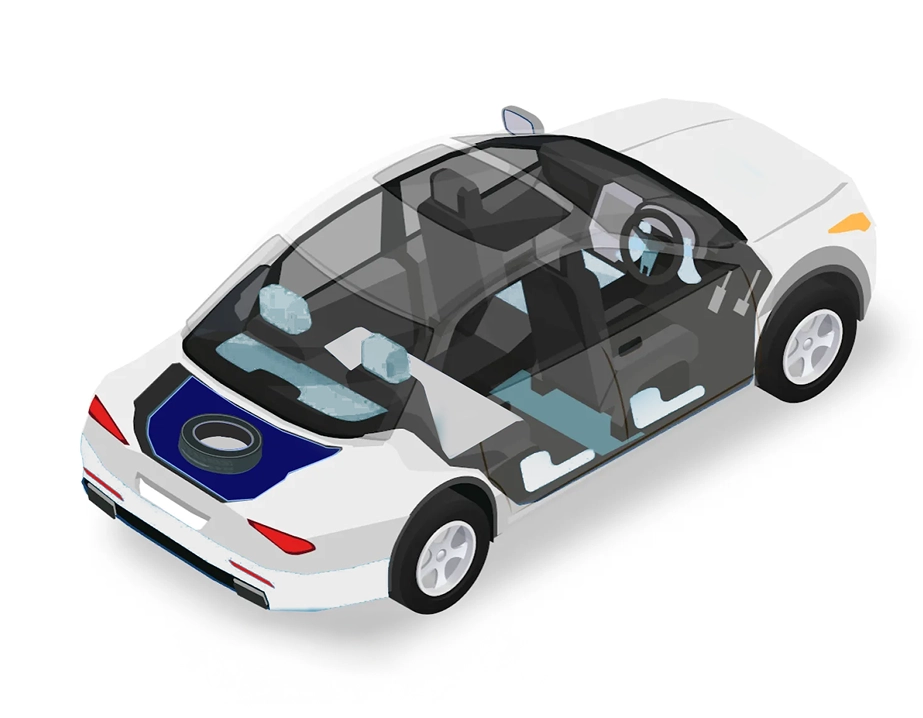
Spare Wheel Organiser
Lightweight EPP organisers designed to securely hold spare wheels, tools and accessories while reducing noise and vibration.
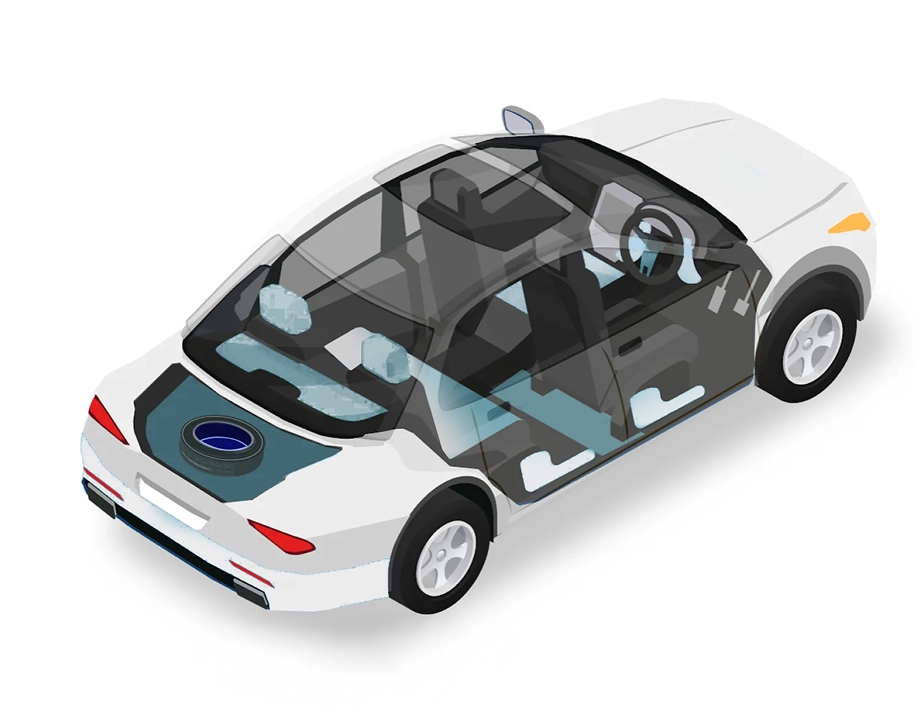
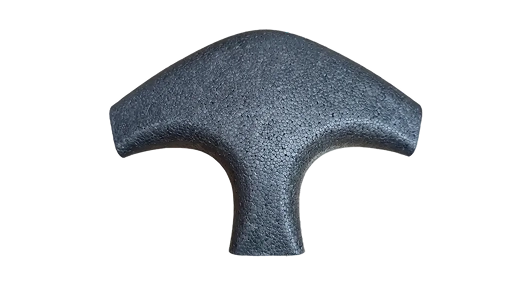
Steering Column Pad
Energy-absorbing EPP pads engineered to meet occupant impact protection requirements around the steering column.
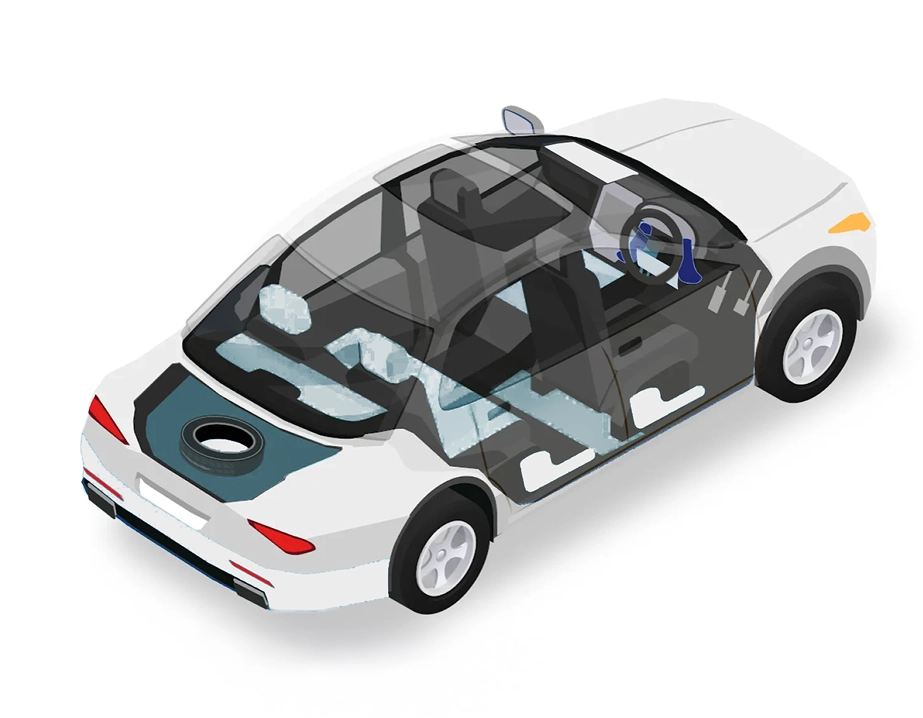
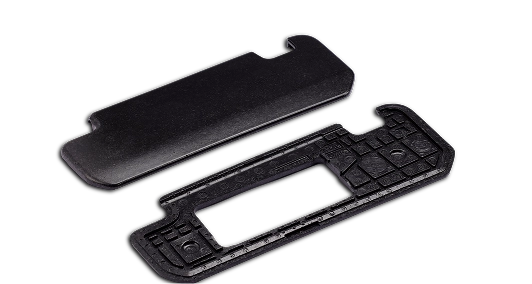
Sun Visor Core
Proven first application in India; lightweight cores with stable form and surface bonding.
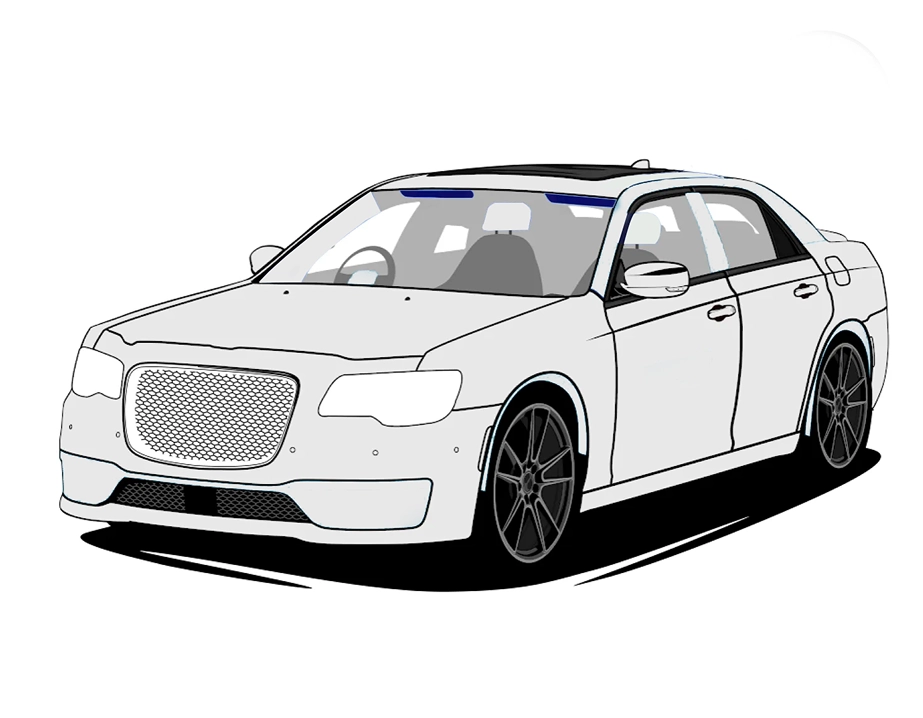
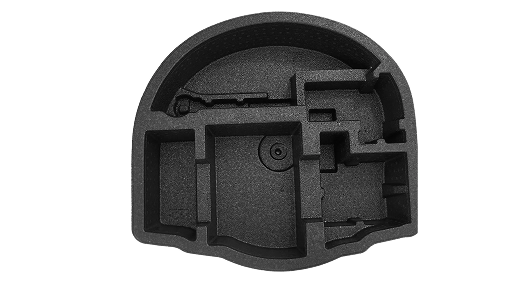
Tool Kit/Tool Caddy Tray
Moulded EPP trays that organise vehicle tools efficiently while minimising rattling and ensuring durability.
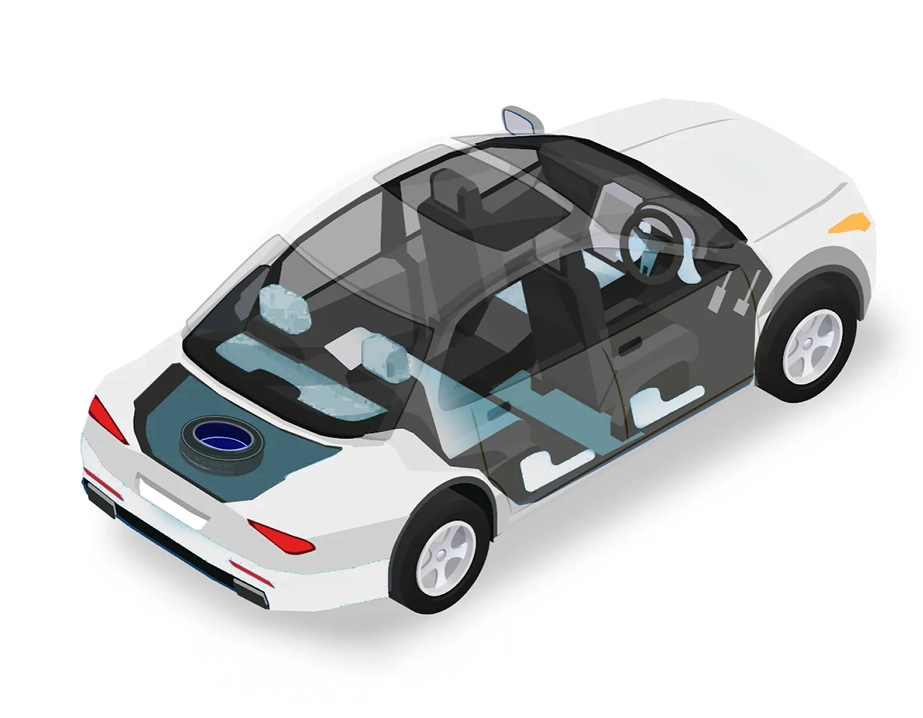
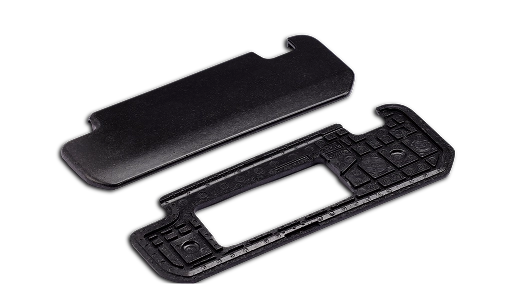
Trunk Floor Support
Load-bearing EPP supports designed to reinforce trunk floors while enabling lightweight construction and modular assembly.
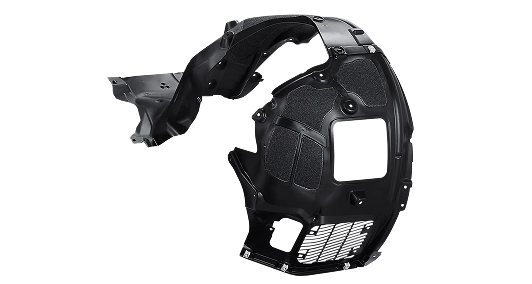
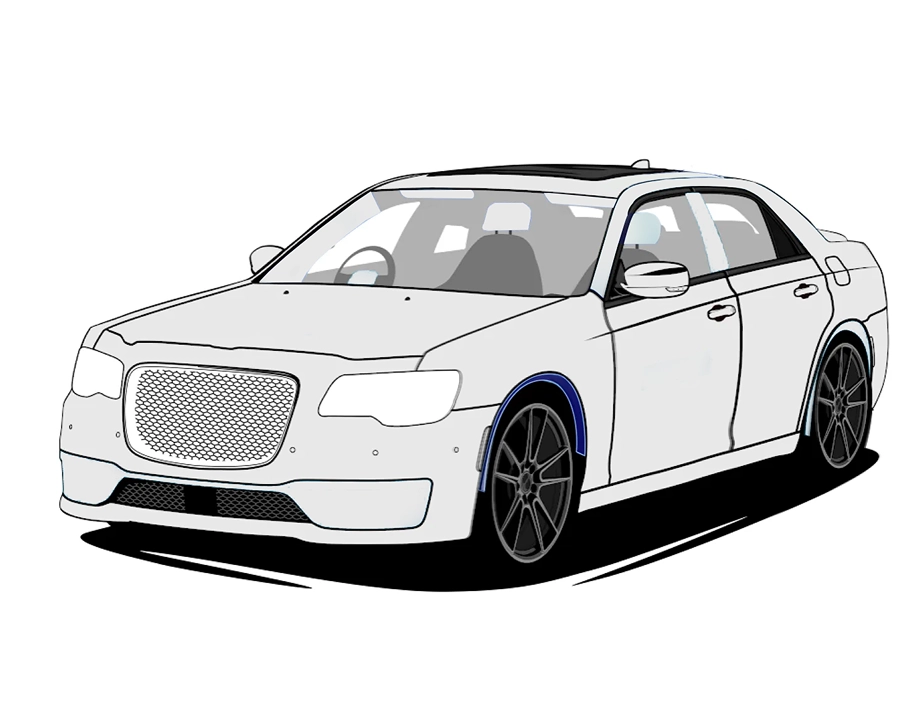
Wheel-House Liner Insert
EPP liner inserts that reduce noise, resist moisture and debris and maintain strength under road impact and vibration.
Case Studies and Success Stories
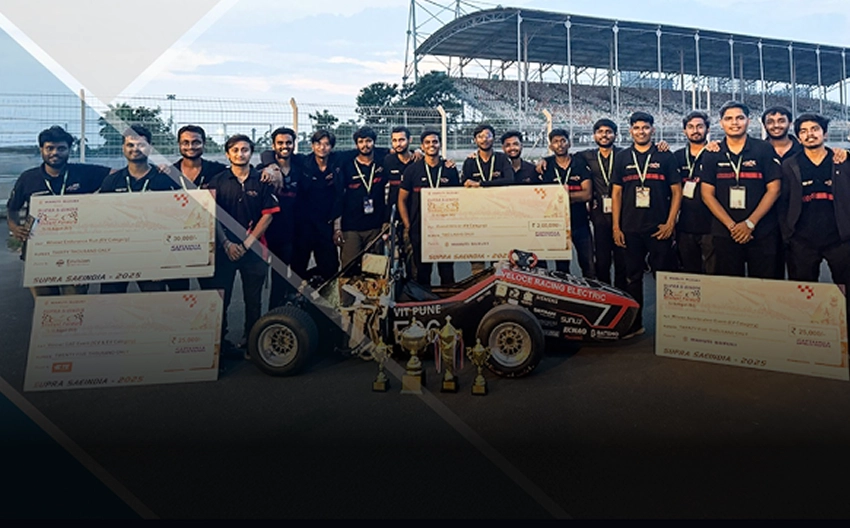
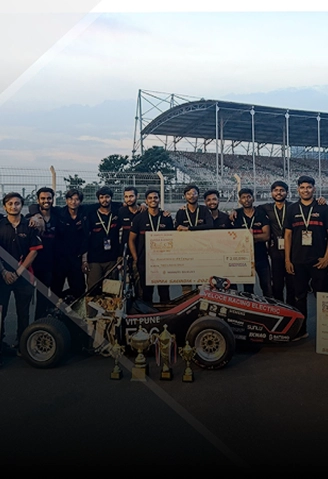
Team VIT – Veloce Racing India
K. K. Nag is partnered with Team VIT – Veloce Racing India to supply lightweight EPS prototypes and EPP components that improve stiffness-to-weight ratio and impact behaviour, contributing to their back-to-back win in the EV category at the F1-graded Buddh International Circuit.
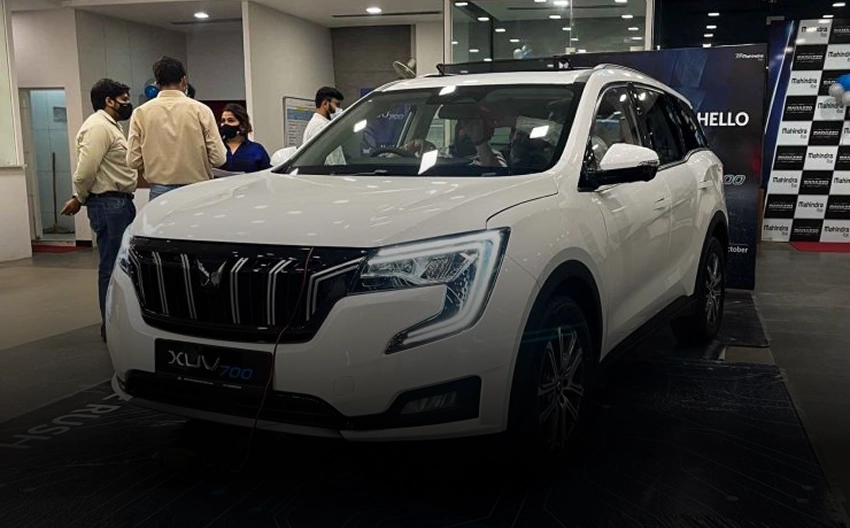
Mahindra XUV700
For a critical interior component, K. K. Nag engineered an EPP replacement that reduced mass from 1.4 kg to 380 g. The solution passed extended fitment trials and 2,000-cycle durability tests, supporting higher efficiency and safety performance targets.
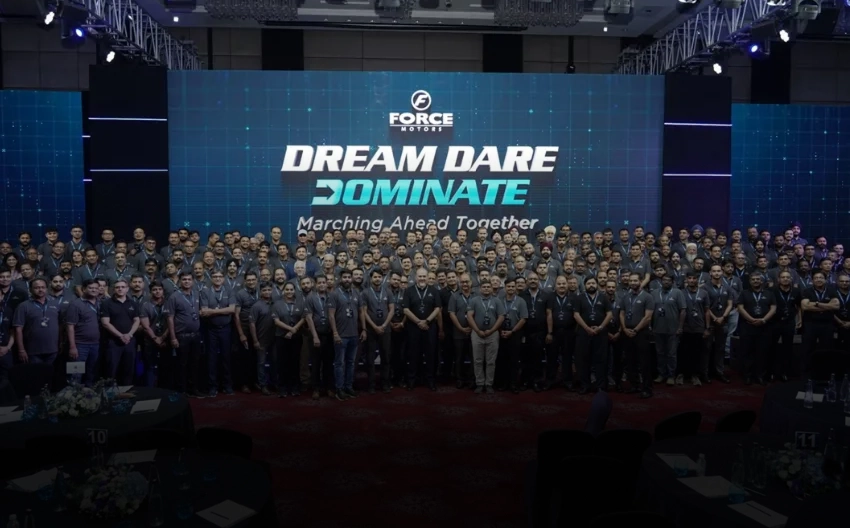
Force Motors
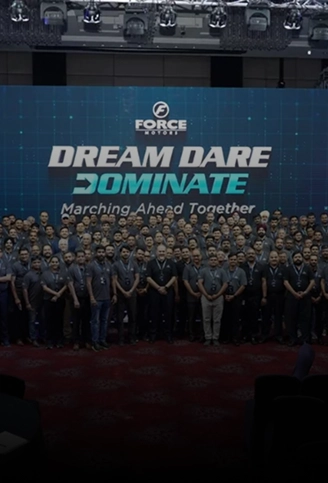
Force Motors required a quiet and secure tool stowage system. K. K. Nag developed a custom EPP kit with precise cavities that prevent movement and abrasion. The design was then standardised to serve Gurkha, Trax and Urbania assemblies with a single kit.
Ready to Align Weight, Safety and Timelines?
Frequently Asked Questions
We follow and often do better than the tolerance standards developed by raw-material manufacturers for foamed parts. Tolerance bands are reviewed at DFM and correlated to fixtures during PPAP.
Yes. Designs can include clip features, local inserts or over skins. Adhesive and film bonding routes are qualified during development.
We align to customer test methods for energy absorption, compression set, thermal insulation and fire or fogging where required. Correlation is established during prototypes and PPAP.
Yes. We design EPP dunnage for multiple products such as battery packs, sun roofs, stators and rotors, with cleaning and reuse in mind.